The Future of AI Search: Why Traditional Search Engines Are Changing Forever
The Future of AI Search: Why Traditional Search Engines Are Changing Forever
Search is going through one of the biggest transformations in internet history.
For more than two decades, people searched the web using keywords, clicked links, opened websites, and manually explored information.
But now, AI is changing that entire process.
Instead of showing users a list of blue links, modern AI-powered search systems are starting to provide direct answers, summaries, recommendations, and even complete tasks.
And honestly?
Most people still underestimate how significant this shift really is.
Search Is No Longer Just About Links
Traditional search engines were designed to help users discover websites.
AI search works differently.
Instead of only finding information, AI systems increasingly try to understand intent, summarize results, and generate direct responses.
This changes how people interact with information online.
Recent research found that AI-generated search responses have expanded rapidly across global markets and are increasingly becoming part of the search experience. :contentReference[oaicite:0]{index=0}
The way people find information is evolving faster than most businesses expected.
Why AI Search Is Growing So Quickly
People want answers faster.
They don't always want to:
- Open 10 tabs
- Compare multiple websites
- Read lengthy articles
- Manually collect information
AI search helps reduce that friction.
Modern AI systems can:
- Summarize information
- Compare products
- Explain complex topics
- Generate recommendations
- Assist with research
This creates a dramatically different search experience.
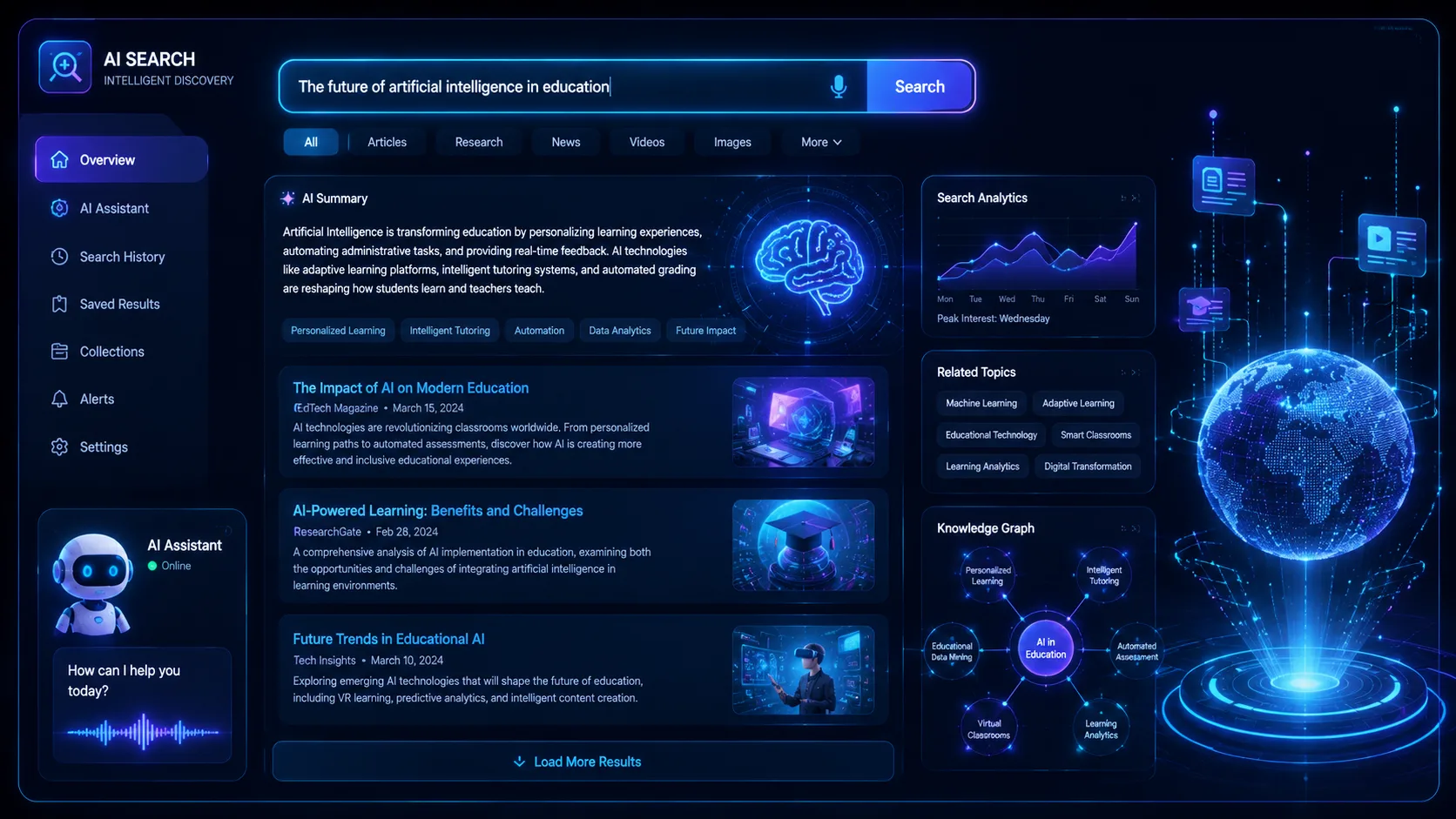
The Rise of AI-Powered Answers
One of the biggest changes is the shift from search results to generated answers.
Instead of asking:
"Which website has the answer?"
Users increasingly ask:
"Can AI give me the answer directly?"
This trend is reshaping digital discovery, content creation, and online marketing strategies.
Researchers found a significant increase in AI-generated responses appearing directly within search experiences worldwide. :contentReference[oaicite:1]{index=1}
That has major implications for publishers, businesses, and creators.
How AI Search Changes SEO
For years, SEO focused on ranking webpages.
Now businesses are adapting to a new reality:
AI systems increasingly summarize content before users visit websites.
This means companies need to focus more on:
- Authority
- Expertise
- Original content
- Structured information
- Brand trust
The goal is no longer only ranking.
The goal is becoming a trusted source that AI systems reference and understand.
AI Search Is Creating New Opportunities
Despite concerns, AI search also creates opportunities.
Businesses that publish:
- High-quality research
- Unique insights
- Original data
- Helpful educational content
have a better chance of becoming authoritative sources within AI-powered ecosystems.
As AI systems continue evolving, trusted information becomes even more valuable.
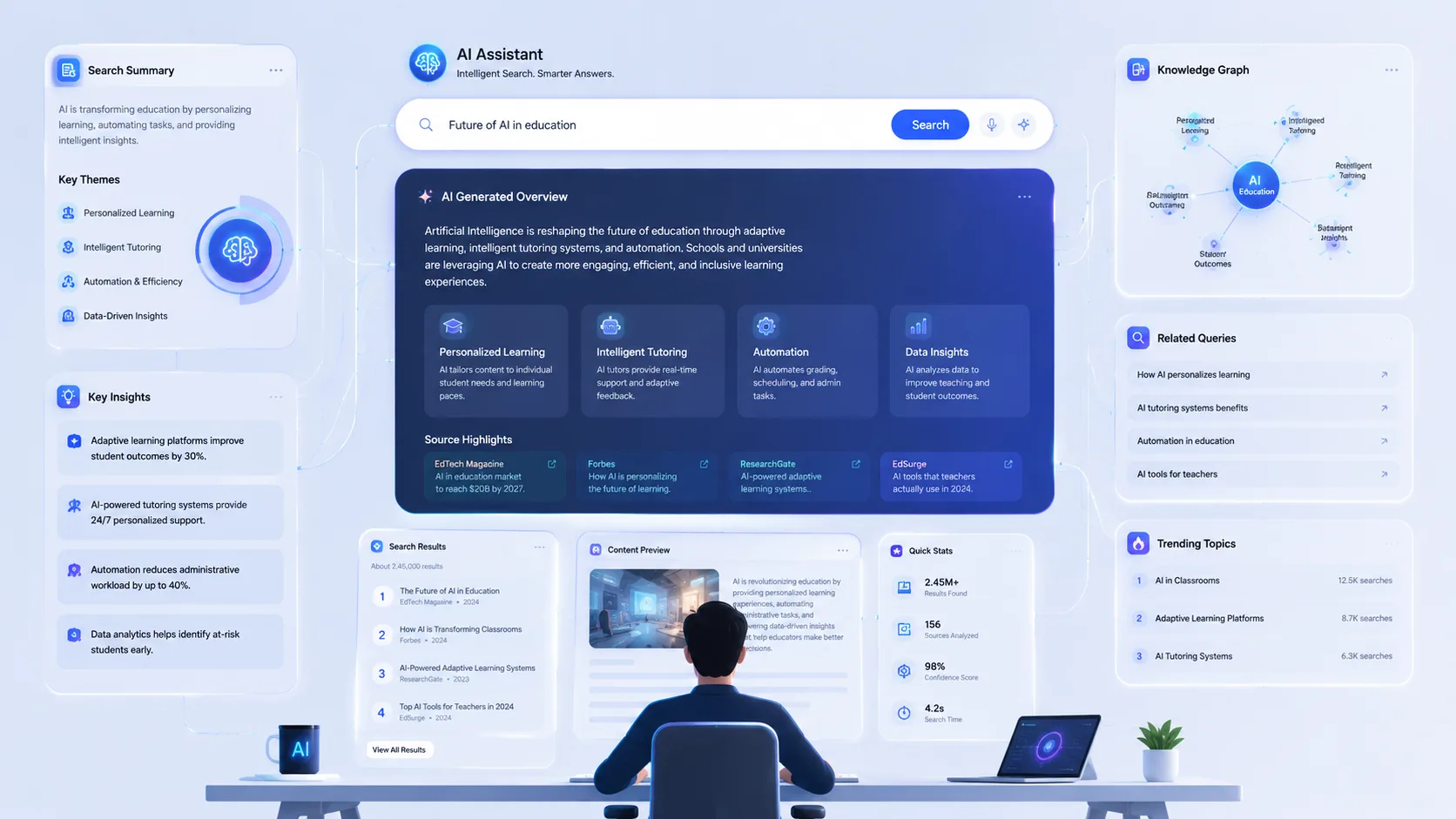
The Challenges of AI Search
AI search is powerful.
But it is not perfect.
Researchers have identified concerns including:
- Reduced source diversity
- Information accuracy issues
- Hallucinations
- Bias in generated responses
Some studies suggest AI search systems can expose users to fewer information sources compared to traditional search experiences. :contentReference[oaicite:2]{index=2}
This means transparency and source quality remain extremely important.
What Businesses Should Do Now
Companies should stop thinking only about traditional SEO.
The future is becoming a mix of:
- Search optimization
- AI visibility
- Content authority
- Brand recognition
Businesses that publish useful, trustworthy, and original content are likely to perform better in AI-driven search ecosystems.
The focus should be helping users genuinely solve problems.
Because AI systems increasingly reward valuable information.
Why This Trend Matters
AI search is not a small feature update.
It is fundamentally changing how information is discovered online.
The internet was built around links.
The next phase may be built around answers.
That shift could reshape:
- Content creation
- Marketing
- Publishing
- E-commerce
- Education
And honestly, we're still in the early stages.
Final Thoughts
The future of search is becoming increasingly AI-powered.
Instead of navigating websites manually, users are starting to interact directly with intelligent systems capable of understanding intent and generating responses.
This creates both opportunities and challenges.
But one thing is clear:
Search is no longer just about finding information.
It's about understanding it.
And AI is rapidly becoming the layer between users and the web.
Frequently Asked Questions
What is AI search?
AI search uses artificial intelligence to understand user intent, summarize information, and generate direct answers instead of only displaying website links.
How is AI search different from traditional search?
Traditional search focuses on website discovery, while AI search focuses on delivering answers and contextual information directly.
Does AI search affect SEO?
Yes. Businesses increasingly need authoritative, trustworthy, and structured content to improve visibility within AI-powered search systems.
Will AI replace search engines?
AI is more likely to transform search engines rather than completely replace them. Many platforms are integrating AI directly into existing search experiences.
Why is AI search becoming so important?
AI helps users find information faster, reduces research time, and simplifies complex search tasks through intelligent summaries and recommendations.